


Time:2026-01-12
In today’s competitive industrial and commercial lighting landscape, LED neon light solutions have quickly become the top choice for businesses and factory environments seeking optimal brightness, energy savings, and long‑term performance. Compared with traditional glass neon lighting, LED neon lights offer unmatched versatility, durability, and customization potential that are especially valuable to modern factories and commercial spaces looking to enhance visibility, branding, and operational efficiency.
LED neon lights are lighting systems that use light‑emitting diode (LED) technology to replicate the vibrant glow of classic neon lighting. Unlike traditional neon tubes that rely on high‑voltage gas discharge in glass containers, LED neon lights embed LED chips into a flexible substrate, typically encased in silicone or PVC housing. This design allows these lights to emit uniform, bright illumination while consuming significantly less electrical energy and offering superior longevity.
Thanks to their robust construction and low‑voltage operation, LED neon lights are safer, more energy‑efficient, and easier to install than traditional neon alternatives — making them ideal for industrial applications, signage, architectural lighting, and creative décor across factory floors, retail storefronts, and commercial facilities.
One of the biggest advantages of led neon light solutions is their energy efficiency. LED neon lights convert electrical energy into visible light with minimal heat production, often using up to 80% less power than traditional neon systems. This translates to lower electricity bills — a crucial factor for energy‑intensive factory and commercial environments.
For factories running lighting systems 12–24 hours a day, the cumulative energy savings can be substantial, reducing operational costs and helping facilities align with sustainability goals.
LED technology offers a significantly longer lifespan compared to glass neon tubes. With typical lifespans exceeding 50,000 hours, LED neon lights require less frequent replacement and minimal maintenance — saving both downtime and labor costs in industrial settings.
Unlike fragile glass tubes, LED neon lights are encased in flexible silicone or PVC housings that resist shock, vibration, and harsh environmental conditions — perfect for factory floors, warehouses, and high‑traffic areas.
Operating at low voltage, LED neon lights significantly reduce the risk of electrical hazards. Their solid‑state design eliminates the need for fragile glass tubes and toxic gases, making them a safer option for workplaces, public areas, and high‑use industrial environments.
Additionally, LED neon solutions are more environmentally friendly — they contain no mercury or hazardous materials, produce less heat, and contribute to lower greenhouse gas emissions over their lifespan.
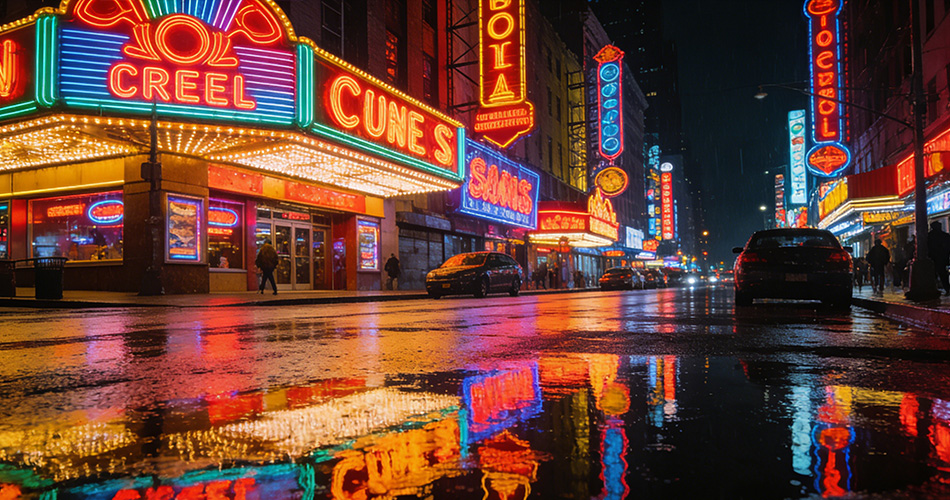
As LED neon technology evolves, diy separated neon strip systems have emerged as one of the most flexible and customizable lighting options available today.
DIY separated neon strips consist of segmented LED lighting elements that can be connected and configured according to specific project needs. Unlike conventional continuous neon strips, these components are modular — allowing users to assemble, cut, and reshape them without extensive technical expertise.
This modular design provides several advantages for factory and commercial use:
Customizable Layouts: Easily configure lighting to match branding, signage, or architectural features.
Tool‑Free Assembly: Simplifies installation and reduces labor costs for large‑scale projects.
Flexible Lengths: Work with segments of different lengths to design unique lighting effects or accommodate irregular spaces.
Whether you’re designing dynamic lighting for retail zones or creating distinctive factory signage, DIY separated neon strip systems offer unparalleled flexibility and creative freedom.
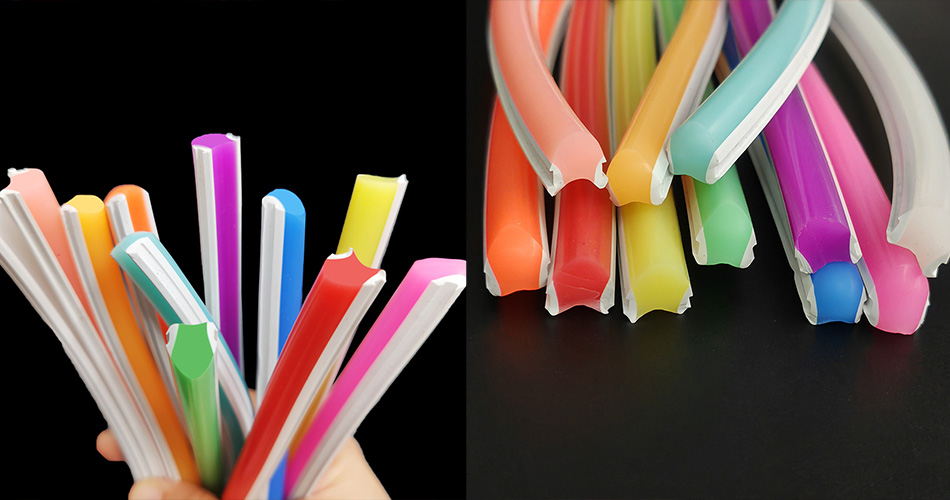
LED neon lights are no longer limited to decorative or artistic applications — their versatility has expanded into many functional industrial and business use cases:
One of the most striking applications of LED neon lighting is neon lights for wall installations. These lights provide vibrant, continuous illumination that adds visual appeal while enhancing visibility. They are ideal for:
Company logos and signage
Wayfinding and safety indicators
Decorative accents in lobbies, meeting rooms, or break areas
Thanks to their flexibility, LED neon solutions can be mounted flush against wall surfaces or integrated into architectural elements to create eye‑catching displays that support branding and customer engagement.
For factories, warehouses, and commercial facilities, second neon light systems — designed for exterior signage or secondary accent lighting — can improve visibility from a distance and boost brand presence. LED neon lights provide consistent brightness in outdoor conditions and help attract attention to entrances, loading zones, or promotional areas.
Their weather‑resistant construction makes them suitable for outdoor use without compromising performance or longevity.
Beyond aesthetics, LED neon lights are used for functional lighting — illuminating workstations, equipment areas, and hallways to improve safety and productivity. Their reliable brightness and energy efficiency make them excellent for places where consistent lighting is critical for operational performance.
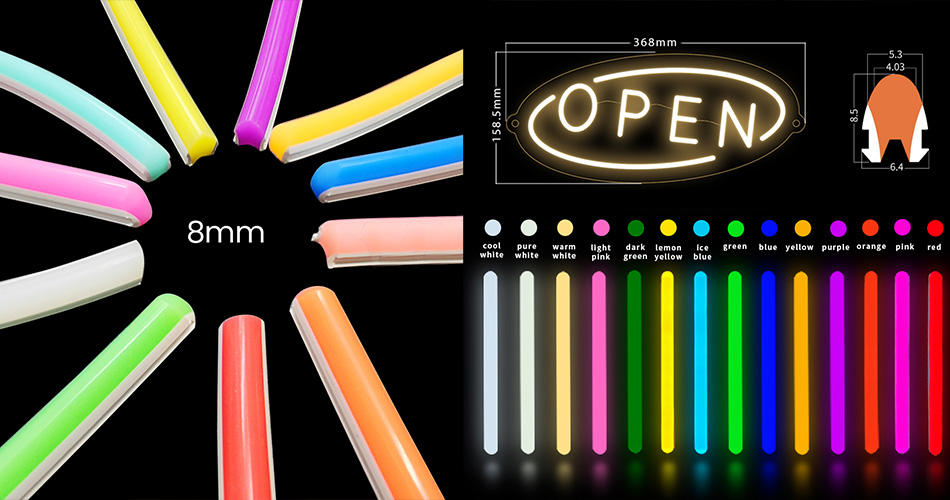
When selecting LED neon lights for commercial or industrial purposes, factory clients should consider several important factors:
Brightness and Color Temperature: Different environments may require neutral white for general lighting or vibrant hues for signage and accents.
Durability Requirements: Choose materials with high ingress protection (IP) ratings for outdoor or harsh conditions.
Installation Flexibility: Opt for modular or segmented systems like DIY separated neon strip if customization is needed.
Energy Efficiency: Evaluate overall energy consumption and lifespan to ensure cost‑effective long‑term operation.
LED neon lights have revolutionized how businesses and industrial facilities approach lighting — offering unmatched energy efficiency, visual impact, and durability compared with traditional systems. From functional illumination to branding‑focused installations, LED neon solutions deliver a versatile and cost‑effective way to enhance any space.
Whether you’re interested in led neon light systems for wall displays, flexible modular DIY solutions, or second neon light applications, LED‑based lighting is a smart investment for any forward‑thinking business. Contact our team today to explore tailored lighting solutions built for your unique industrial needs and get ready to light up your facility with modern energy‑efficient brilliance.
LED neon lights are much more energy-efficient, durable, and safer than traditional glass neon tubes. Unlike traditional neon, which uses high-voltage gas, LED neon lights use low-voltage LED technology that produces bright and uniform illumination. They are also more versatile and customizable, ideal for both DIY separated neon strip applications and industrial use.
Yes, LED neon lights are an excellent choice for outdoor signage. They are weather-resistant, energy-efficient, and provide consistent brightness, making them perfect for second neon light applications, such as exterior displays or illuminated brand logos.
A DIY separated neon strip is a modular system of LED neon lights that can be easily customized. Users can cut, shape, and connect segments to fit specific spaces or design needs. This flexible design is perfect for creating unique signage or lighting features in industrial and commercial settings.
LED neon lights last significantly longer than traditional neon tubes. While traditional neon lights have a lifespan of around 10,000 hours, LED neon lights can last up to 50,000 hours or more, reducing maintenance and replacement costs.
Absolutely! Neon lights for wall applications are one of the most popular uses for LED neon lighting. They can be customized to create visually stunning displays, from logo signage to artistic designs, enhancing the aesthetic appeal of any space.

It provides all-round service for customers
and users 24 hours a day.
Enter your email for exclusive offers
and information on new upcoming products.


