


Time:2026-06-10
The global retail, hotel, and corporate branding markets are changing fast. Today, international brands and franchise buyers avoid high-emission production methods. Modern corporate rules demand deep supply chain accountability. They also require real carbon reduction. Old glass neon and low-grade plastic signs carry a heavy carbon footprint. They use too much energy and create toxic factory waste.
The best answer to this global demand is a premium Carbon-Neutral Neon Sign Manufacturing Services plan. This method combines energy-efficient LED technology with 100% recycled raw materials. It also uses certified carbon-offset production lines. These green steps allow brands to build striking signs with zero environmental guilt. Sourcing from a verified green factory helps buyers meet strict green corporate goals. It lowers supply chain emissions and delivers premium, sustainable displays that modern buyers trust.
To build sustainable signs, engineers must look closely at the inner circuit build. True green setups require reducing energy waste at the component level first.
Standard promotional light strips use thin, 1-ounce copper layers inside their flexible circuits. When a workshop bends these thin boards to make a complex script logo, the copper tracks suffer physical stress. Over time, this stress creates high electrical resistance across the system.
In low-grade signs, high resistance leads to large voltage drops. This drop forces the power supply to work much harder. It wastes energy as raw heat instead of converting it into clean light. This flaw inflates the daily carbon footprint of a storefront display. It also shortens the working life of the internal parts, leading to early trash waste.
Professional green services use thick, 3-ounce rolled dual-copper Flexible Printed Circuit (FPC) boards. This heavy-duty copper thickness acts as an efficient electrical and thermal backbone. It allows electrical current to flow smoothly with very low internal resistance.
By stopping voltage drops across the whole sign, 3-ounce copper paths reduce total power use by up to 22% compared to standard commercial choices. This smart design ensures that your sign runs cool. It saves daily operational energy and lowers your long-term corporate emissions easily.
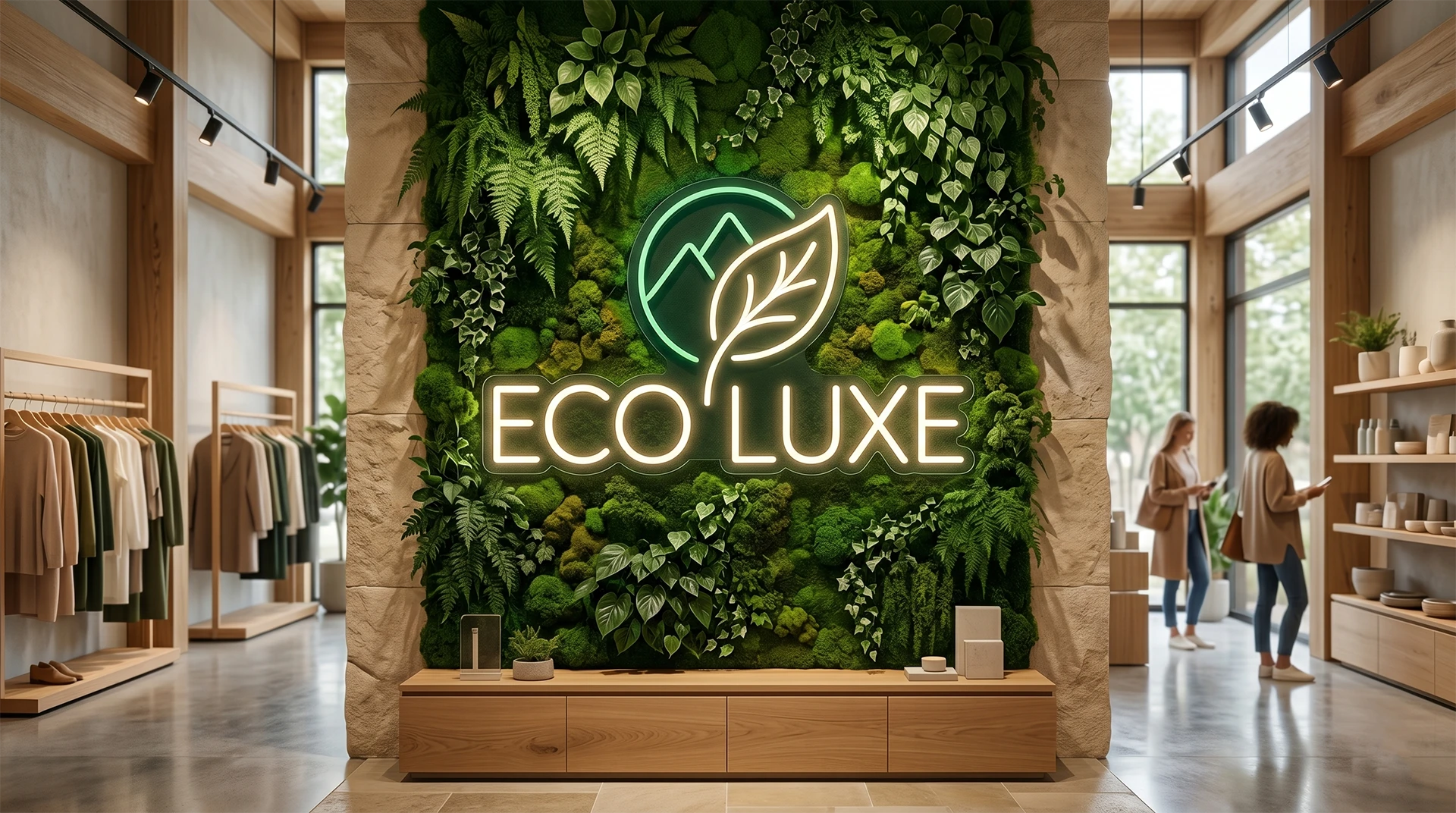
Sustainability officers need clear, verifiable numbers over basic marketing talk. The matrix below compares standard sign production against professional carbon-neutral manufacturing systems:
| Parameter | Old Sign Methods | Carbon-Neutral Services | Direct Impact on Corporate Savings |
| Outer Material | Standard PVC Plastic | 100% Recycled Silicone | Cuts raw material carbon by over 65%; avoids plastic waste. |
| Factory Power | Standard Coal Grid Power | 100% Solar / Wind Mix | Drives factory emissions down to absolute zero. |
| Light Efficiency | 70 to 80 Lumens per Watt | Over 130 Lumens per Watt | Slashes daily storefront energy use and power costs. |
| Hazardous Waste | Lead solder and toxic vapors | Lead-Free, Zero Gas | Eliminates dangerous chemicals and toxic recycling costs. |
| Packaging Style | Single-use plastic wrap | Recycled Cardboard | Removes bad packaging waste from shipping lines. |
| Product Lifespan | 15,000 to 20,000 Hours | Over 50,000 Hours | Lowers replacement needs; reduces total long-term waste. |
| Green Status | Unverified / Self-Claimed | Third-Party ISO 14064 Certified | Provides real data for your yearly corporate green reports. |
The life and green cost of a sign depend on its outer jacket. This casing must protect the inner lights from bad weather while keeping a low impact on nature.
Historically, budget factories used Polyvinyl Chloride (PVC) plastics because the material is cheap. However, PVC carries a high environmental cost. Making new PVC releases huge amounts of carbon into the air. Furthermore, PVC degrades quickly under hot solar rays. Within two years, a PVC jacket turns yellow and brittle. This yellow look blocks light and ruins corporate brand colors, forcing companies to buy a new sign early. When thrown away, PVC does not break down naturally, leaving a permanent pile of trash in landfills.
Premium green factories solve this problem by using 100% recycled silicone extrusions. This material swap offers major benefits for green brand strategies:
Sourced from Circular Economy: The silicone comes from recycling streams. This process keeps valuable materials out of trash dumps and avoids using new oil.
Excellent Sun and Weather Stability: The strong chemical links naturally resist sun damage. The jacket stays perfectly clear, soft, and flexible for over ten years without turning yellow.
Safe End-of-Life Recycling: Pure silicone can be ground down at the end of its life to make industrial fluids or eco-friendly building materials. It does not release toxic gases if burned.
A major issue in old custom sign making is the heavy use of manual hand soldering. Workers spend hours using hot irons to connect power wires across complex letters.
Manual soldering presents hidden problems. Standard lead-based solder creates toxic fumes. Factories must use complex air vents to protect workers. Furthermore, manual joints fail easily. Constant temperature changes can cause these joints to crack over time. When a wire breaks inside a sealed sign, the light blinks or fails, requiring an expensive repair team to drive out and fix it.
Advanced green processes eliminate these issues by using integrated solderless mechanical locking connectors.
These precision clips slide directly onto the cut ends of the silicone neon spools. They lock firmly with stainless steel teeth. A built-in rubber seal blocks out water instantly without using toxic chemical glues. Any assembly worker can link complex signs in seconds. This system speeds up your production line, removes heavy metals from your products, and ensures a durable connection that never cracks in the field.
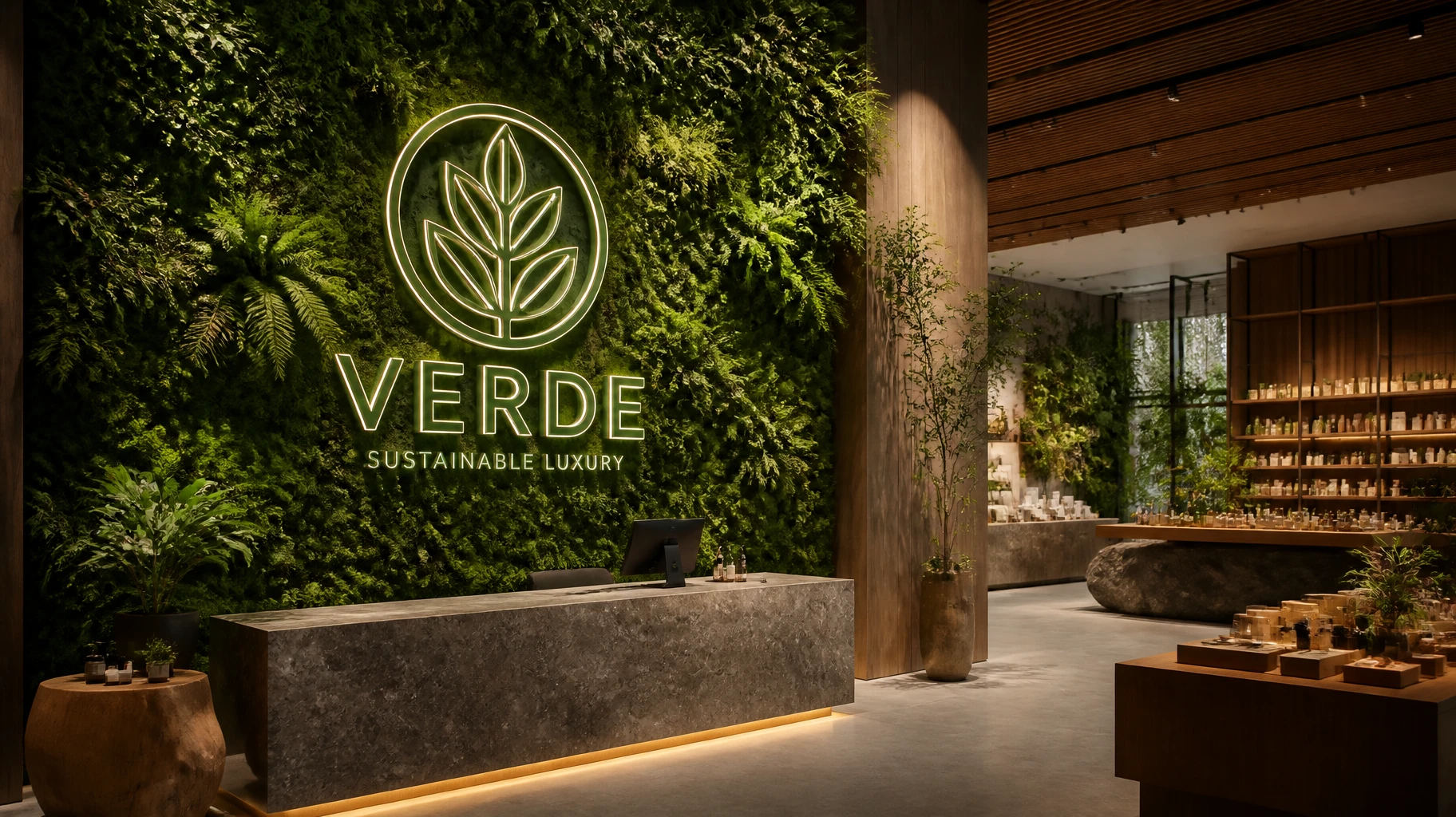
The Project Setting: In early 2026, an international luxury hotel group started a branding update across 200 European and Asian locations. The design needed custom, color-changing neon lobby logos and exterior balcony accent lines. Because the brand committed to strict net-zero targets by 2030, the procurement team could not buy standard, high-emission plastic signs.
The Initial Trial: The hotel group's local builders first bought standard PVC-jacketed LED signs from an old supplier to save money. However, during an internal review, the procurement team found that making these signs created massive carbon emissions. The supplier used inefficient factory setups and coal-heavy power grids. Furthermore, 12% of the sample signs arrived in non-recyclable plastic packaging, violating the hotel's zero-waste shipping policy.
The Green Upgrade: The corporate procurement team canceled the initial order. They shifted the contract to premium Carbon-Neutral Neon Sign Manufacturing Services managed by Econley Technology and THINK TEAM KING.
The Real-World Outcomes: The factory ran the entire production run on 100% renewable solar power, dropping factory emissions to zero. Using high-efficiency 3-ounce copper PCBs cut the signs' daily energy use by 22%, saving the hotels thousands of dollars in yearly utility bills. The signs traveled in 100% plastic-free, recycled cardboard boxes, which eliminated packaging waste completely. The hotel chain received verified ISO 14064 carbon-offset certificates for every sign delivered, helping them hit their corporate goals ahead of schedule.
To maximize energy efficiency and ensure long-term safety on commercial installation sites, facility teams must follow three core protocols:
Use High-Efficiency Class 2 Drivers: Always power your sustainable neon lines with premium, regulated DC24V Class 2 power supplies that carry an 80 Plus Gold efficiency rating. High-quality power boxes minimize internal energy loss. They ensure that almost all grid power turns directly into light with zero wasted heat.
Inject Power Wisely to Stop Voltage Drop: For long accent runs exceeding 5 to 7 meters, connect power wires to both ends of the neon strip. This step keeps your brightness uniform along the whole path. It stops resistance build-up, lowers energy waste, and keeps your lights running cool.
Plan for Disassembly and Recycling: When mounting signs inside retail stores or on building faces, use removable aluminum tracks or stainless steel clips instead of permanent chemical glues. This clean mounting style makes it easy to take the sign down for future remodeling. It allows your team to separate the silicone and aluminum parts for easy recycling.
Our entire production lifecycle—from sourcing recycled raw silicone to automated factory assembly—is fully audited by independent third-party certification bodies under ISO 14064 standards. We provide complete carbon tracking data and official green certificates with every wholesale shipment.
While premium recycled silicone carries a slightly higher upfront material cost than cheap PVC plastic, it delivers much higher value over time. It completely prevents yellowing, cracking, and early product failures, saving your brand from expensive maintenance visits and early replacement costs.
We build our high-density wholesale neon lighting lines using certified 3-ounce rolled dual-copper circuit boards to ensure maximum energy efficiency and zero material waste. Every batch of our LED neon lights lowers standby power, passes strict safety codes, and comes packed in 100% eco-friendly packaging. Whether you need massive container shipments of bulk spools or custom setups for international brand rollouts, Econley Technology provides robust, carbon-neutral systems built for your exact technical specs.
Reviewing modern branding materials proves that sourcing certified sustainable signage is vital to securing strong customer trust and hitting your corporate ESG goals. While cheap, low-grade plastic choices look cost-effective upfront, their short lifespans, high energy waste, and toxic disposal liabilities harm your brand reputation and create long-term compliance risks. Upgrading to high-density, energy-efficient silicone neon lines built inside renewable-energy facilities delivers a premium, factory-grade look while driving your corporate carbon footprint down to zero.
Are you managing a high-volume retail or hotel transformation project? Or are you looking to update your wholesale distribution choices with certified, carbon-neutral flexible light systems for international corporate branding? Our engineering team is ready to provide custom wiring diagrams, specification sheets, and volume wholesale pricing built for your exact green building needs.

It provides all-round service for customers
and users 24 hours a day.
Enter your email for exclusive offers
and information on new upcoming products.


