


Time:2026-02-03
In the rapidly expanding market of architectural and promotional illumination, commercial neon lighting has transitioned from a niche luxury to a standard requirement for brand visibility. For global procurement managers, European distributors, and large-scale contractors, the challenge isn't finding a supplier—it’s filtering through thousands of options to find a partner that guarantees industrial-grade reliability.
When you are purchasing in volume, a single failed batch can lead to catastrophic project delays and damaged reputations. As a leading neon supplier, we understand that the B2B buying journey is fraught with risks. This guide identifies the five critical "red flags" you must watch for when evaluating a neon light supply to ensure your investment is protected.
The most dangerous red flag in the neon light supplies industry is a lack of verifiable safety and quality certifications. For European neon light distributors, importing products without CE, RoHS, or UL certification is not just a risk—it’s a legal liability.
Many "trading company" intermediaries claim to have certifications but fail to provide the actual test reports. A professional neon light sign ideas provider should proactively share:
UL/CE Listings: Ensuring the electrical components meet international safety standards.
IP Ratings: Crucial for outdoor commercial neon lighting to ensure moisture and dust resistance.
Fire Retardancy Reports: Essential for indoor restaurant and retail installations.
If a neon supplier dodges questions about certification or provides low-resolution, blurred documents, it is a clear sign they are cutting corners in the manufacturing process.
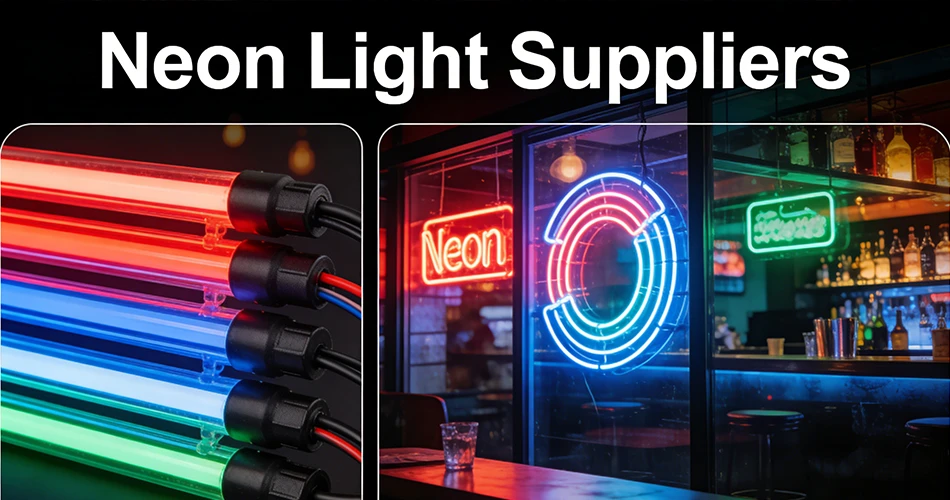
In wholesale neon light global suppliers, "cheaper" usually means sparse LED placement. High-quality neon light design ideas rely on "dot-free" illumination. If the supplier uses low-density LED chips, the light will look "spotty" rather than like a continuous glowing tube.
Furthermore, "Color Binning" is the process of ensuring every batch of LEDs has the exact same color temperature ($K$).
The Red Flag: If you order 500 units of "Warm White" and receive three different shades, your supplier lacks professional binning control.
The Solution: Look for custom neon light OEM suppliers that utilize MacAdam Ellipse 3-step or 5-step binning to ensure perfect color consistency across bulk orders.
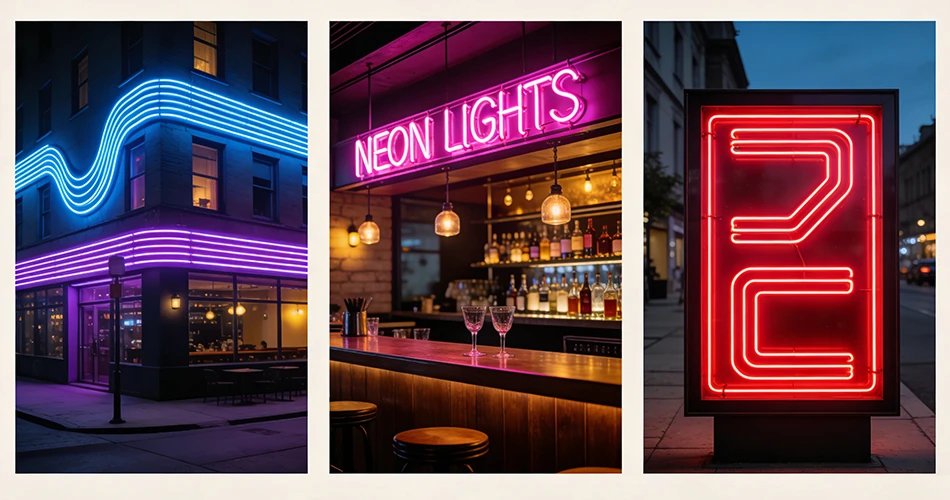
The longevity of your neon light sign ideas depends entirely on the jacket material. Traditionally, many LED neon light bulk suppliers used PVC because it is inexpensive. However, for long-term commercial use, PVC is a major red flag.
PVC Issues: Brittle in cold weather, yellows under UV exposure, and releases toxic fumes during fire.
Silicone Advantage: Modern commercial neon lighting should use food-grade silicone. It remains flexible from $-40^\circ C$ to $200^\circ C$ and maintains color clarity for years.
If a neon sign supplier cannot specify the material of their neon jacket or insists that PVC is "just as good," they are likely prioritizing their profit margins over your project's lifespan.
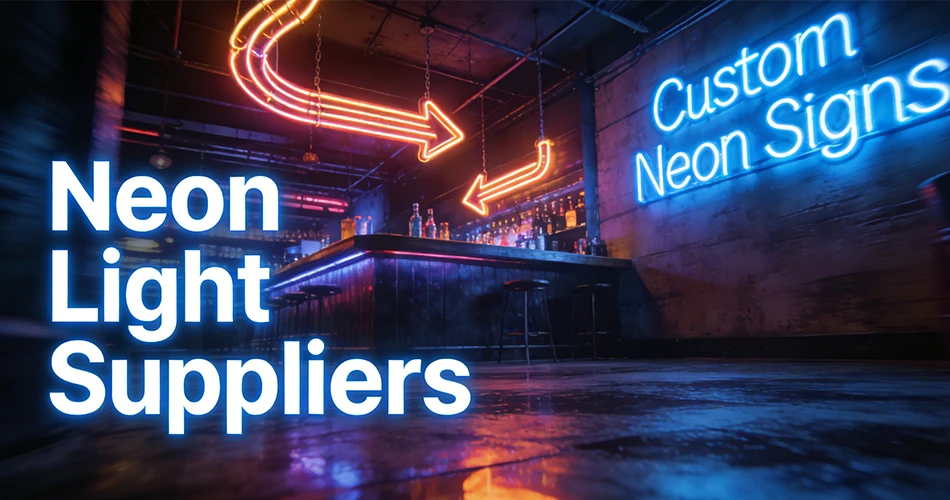
In the world of neon light design ideas, custom branding is king. A significant red flag is a neon light supply partner who promises "instant" shipping for custom work or, conversely, cannot provide a firm production schedule.
A reliable custom neon light OEM supplier will follow a structured process:
Technical Drawing: Within 24 hours of inquiry.
Prototype Phase: Sampling to verify color and brightness.
Mass Production: Clear milestones for assembly, aging tests (usually 48 hours), and packaging.
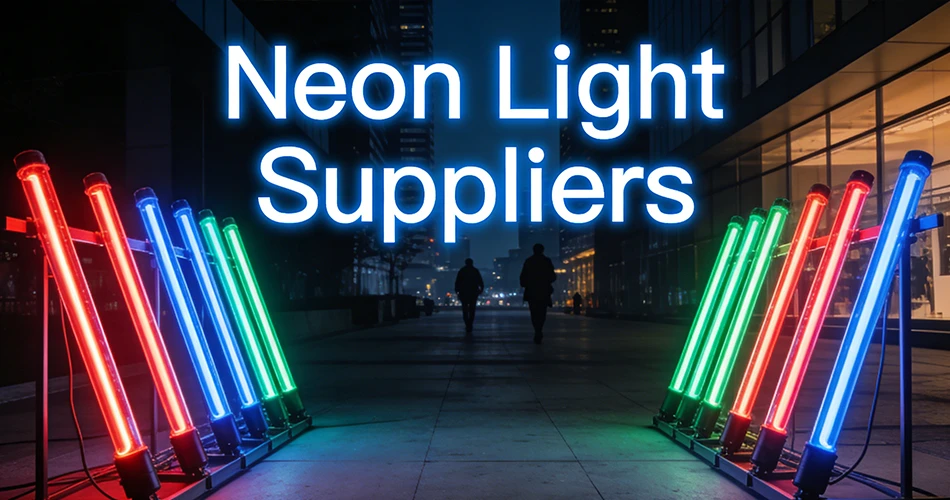
The final "red flag" occurs right before the product leaves the factory. Many neon light supplies are packed the moment they are finished. This is where most failures happen.
A reputable neon supplier must perform an "Aging Test." This involves running the lights at full capacity for at least 24 to 72 hours. This process identifies "infant mortality" in the electronics—LEDs that would have failed in the first week of your client's installation. If your supplier cannot provide photos or videos of your specific bulk order on the aging racks, they are skipping a vital step in the QC process.
For European neon light distributors and global project leads, the goal is "Total Cost of Ownership," not just the lowest unit price. By avoiding these five red flags, you move from being a simple buyer to a strategic partner with your neon sign supplier.
At Think Team King (TTK), we serve as a dedicated neon light supply for enterprises that demand high-brightness, certified, and long-lasting solutions. We focus on providing neon light sign ideas that are backed by engineering, not just marketing.
At Think Team King, we prioritize these five pillars:
Material Integrity (using high-grade silicone).
Certification Compliance (UL, CE, RoHS).
Engineering Support (for custom OEM designs).
Rigorous QC (48-hour aging tests).
Supply Chain Transparency (clear lead times and logistical support).
Look for "Lumen per Watt" efficiency, the density of LEDs (to avoid spotting), and the IP rating if it's for outdoor use. Most importantly, ensure the neon sign supplier provides a clear warranty policy and technical data sheets for the power supplies used.
The biggest red flags include: prices that are significantly below market average (indicating recycled or low-grade chips), refusal to provide factory audit videos, lack of formal testing certifications, and poor communication regarding technical specifications.
To succeed, you need to partner with a reliable neon light supply factory like TTK. Start by identifying a niche (e.g., wedding rentals, corporate branding, or architectural lighting), order a sample kit to verify quality, and ensure your supplier can handle custom neon light OEM requests as your business scales.
【Contact us to get a free quote】
Related Articles
Neon Lighting for Concert Stages: Elevate Live Performances with Dynamic, Immersive Glow
Govee Stripe Lights vs Neon: A Comprehensive Guide
DC12V Neon Lights for Vehicles: Elevate Your Ride with Safe, Stylish Illumination
Smart Neon Lighting for Home Automation: Elevate Your Living Space with Connected Illumination
WiFi-Enabled Neon Light Controllers: Smart, Convenient Control for Dynamic Neon Illumination

It provides all-round service for customers
and users 24 hours a day.
Enter your email for exclusive offers
and information on new upcoming products.


