


Time:2025-12-31
Neon letters, with their vibrant glow and eye-catching colors, have been a staple of urban landscapes for over a century. These illuminated letters have a fascinating history and remain an essential part of modern signage. In this article, we explore the origin, evolution, and enduring appeal of neon signs. We will also delve into their artistic significance and the craftsmanship behind creating these glowing masterpieces.
Early neon sign in a city streetThe story of neon signs begins in the early 20th century. The term "neon" comes from the Greek word "neos," meaning "new." The journey started with the discovery of the noble gas neon by British chemists Sir William Ramsay and Morris Travers in 1898. However, it wasn't until 1910 that neon gas found its way into illuminated signage.
French engineer Georges Claude is credited with creating the first neon lamp. He discovered that by passing an electric current through neon gas, he could produce a bright, reddish-orange glow. Claude's invention was first displayed at the Paris Motor Show in 1910, capturing the imagination of the public and marking the beginning of the neon sign era.
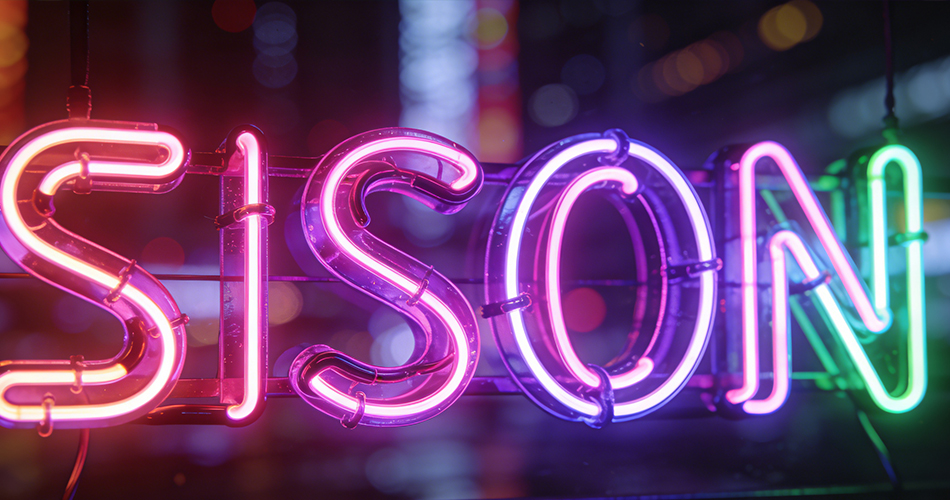
The 1920s and 1930s marked the golden age of neon signs. During this time, neon letters became synonymous with the hustle and bustle of city life. Businesses quickly realized the potential of these glowing signs as powerful advertising tools. The vibrant colors and mesmerizing glow of neon signs drew customers in, making them an irresistible marketing asset.
Vintage neon sign on a dinerCities like New York and Las Vegas became iconic for their dazzling displays of neon signs. Broadway's Theater District, often referred to as "The Great White Way," was illuminated with a kaleidoscope of neon lights, creating an enchanting spectacle. Meanwhile, Las Vegas embraced neon as part of its identity, with casinos and hotels competing for the most extravagant displays.
Creating neon letters is both a science and an art. The process begins with the design, where artists and craftsmen collaborate to bring a vision to life. These designs can be simple letters or elaborate artworks, depending on the message and aesthetic desired.
The next step involves bending glass tubes into the desired shapes. This requires a skilled artisan who can manipulate the glass without breaking it. The tubes are then filled with neon gas or other noble gases to produce different colors. For instance, argon gas produces a blue hue, while helium glows with a pinkish tint.
Once the tubes are sealed, electrodes are attached, and the tubes are connected to a power source. When the electrical current flows through the gas, it excites the gas molecules, causing them to emit light. The result is a vibrant, glowing neon letter that can be used to spell out words, logos, or artistic designs.
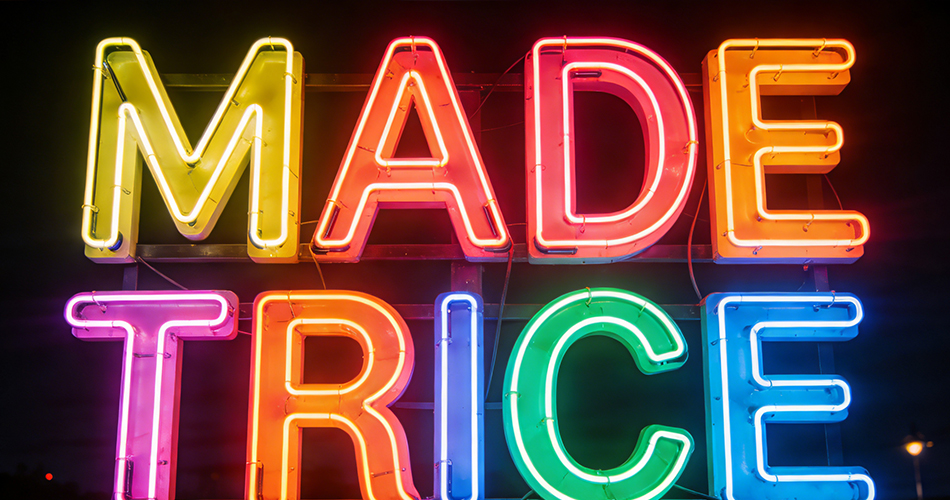
The popularity of neon signs began to wane in the latter half of the 20th century. The advent of cheaper and more energy-efficient alternatives, such as LED signs, led many businesses to replace their neon displays. Additionally, concerns about maintenance costs and environmental impact contributed to the decline in neon usage.
However, neon letters have experienced a revival in recent years. Many businesses and artists appreciate the unique aesthetic and nostalgic charm that neon brings. The retro appeal of neon signs has led to their resurgence in trendy neighborhoods, art installations, and even in home decor.
Neon signs have made a significant impact on modern culture. They have become symbols of urban life, often featured in movies, television shows, and photography. The iconic "Welcome to Fabulous Las Vegas" sign is just one example of neon's cultural significance.
In addition to their role in advertising, neon signs are celebrated as art forms. Museums and galleries worldwide showcase neon art installations, highlighting the creativity and craftsmanship involved in their creation. Artists like Tracey Emin and Bruce Nauman have pushed the boundaries of neon art, using it as a medium to express complex ideas and emotions.
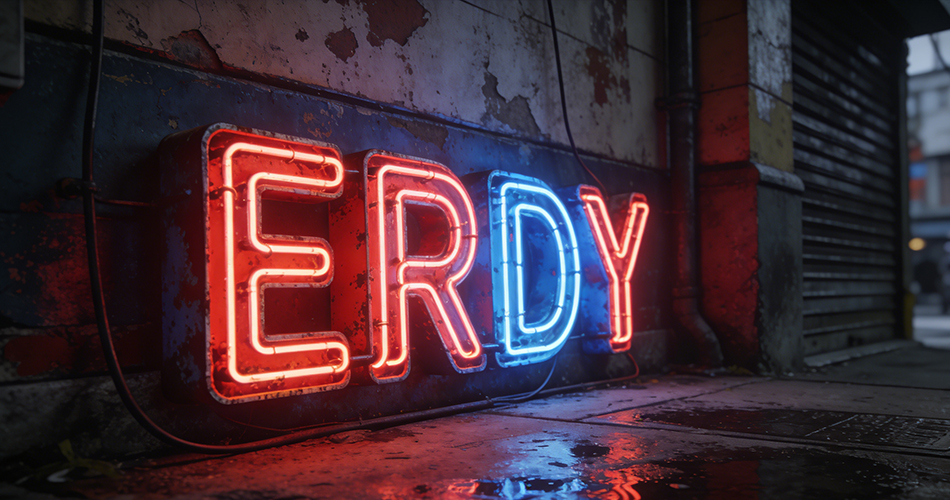
The creation of neon letters is a testament to the skill and dedication of craftsmen. Neon sign makers, known as glass benders, undergo years of training to perfect their craft. They must master the art of glass bending, gas selection, and electrode attachment to create functional and aesthetically pleasing signs.
Each neon sign is a unique piece, handcrafted with precision and care. The craftsmanship involved in neon sign-making is a blend of traditional techniques and modern technology, ensuring that each piece is a work of art in its own right.
Neon letters have illuminated our cities and captured our imaginations for over a century. Despite the rise of new technologies, the allure of neon signs remains strong. Their vibrant glow and artistic appeal continue to inspire and captivate audiences around the world.
Whether used for advertising, art, or personal expression, neon signs hold a special place in our cultural landscape. They are a testament to human creativity and innovation, reminding us of the beauty that can be found in the fusion of art and science. As we look to the future, neon letters will undoubtedly continue to shine brightly, illuminating our world with their timeless glow.

It provides all-round service for customers
and users 24 hours a day.
Enter your email for exclusive offers
and information on new upcoming products.


