


Time:2026-03-17
In the competitive world of urban development, the exterior of a building is more than just a wall—it is a brand statement. Exterior architectural lighting has transitioned from basic security illumination to a sophisticated art form that defines a city's skyline. For architects, wholesalers, and lighting contractors, choosing the right solutions for facade illumination is critical to ensuring long-term project success and energy efficiency.
As we look toward 2026, the demand for high-durability, flexible, and smart-controlled lighting systems is at an all-time high. This guide explores the most effective strategies for architectural lighting, from selecting the right architectural lighting fixtures to understanding the technical requirements for large-scale architectural area lighting.
Staying updated with architectural lighting news is a strategic necessity in 2026 for professionals who want to avoid the high costs of obsolete technology. The industry has officially shifted toward "Media Architecture," transforming once-static buildings into dynamic, interactive digital canvases.
A major headline in architectural lighting news is the industry-wide transition from traditional PVC to Silicone-Extrusion Technology for facade illumination. Professional-grade silicone is now the undisputed gold standard due to its:
Ultimate UV Resistance: It prevents yellowing and cracking even under intense sunlight.
Extreme Thermal Stability: It remains flexible and chemically stable in climates ranging from -40°C to +60°C.
Chemical Inertness: It provides a resilient barrier against salt spray and urban pollutants, ensuring architectural lighting works remain pristine for years.
The integration of advanced DMX512 controls into slim neon strips is also dominating architectural lighting news. This technology allows flexible architectural lighting fixtures to achieve complex "pixel-chase" effects previously reserved for bulky, rigid washers.
Granular Control: Designers can now manipulate light segments as small as 50mm.
Efficient Topology: Modern setups reduce wiring complexity by 30%, supporting high-refresh-rate media displays with greater reliability.
Finally, 2026 marks a surge in "Smart-Lighting" focused on ecological responsibility. Architects are increasingly choosing architectural lighting types that offer:
High Luminous Efficacy: Achieving 140lm/W+ to reduce energy consumption.
Precision Optics: Using specific beam angles to eliminate light spill and align with global "Dark Sky" movements.
For B2B wholesalers, providing these high-performance, sustainable solutions is no longer optional—it is essential to meeting the technical requirements of modern architectural projects.
When dealing with expansive facades or public plazas, architectural area lighting requires a strategic approach to balance wide-range light distribution with precise glare control. Unlike interior environments, outdoor area lighting must strictly account for light pollution laws (Dark Sky compliance) and the "throw" distance required to illuminate high-reach structures effectively.
High-performance architectural area lighting relies on three technical pillars:
Precision Optics: Utilizing asymmetric beam angles is crucial for lighting vertical surfaces efficiently. This ensures the light is directed exactly where needed, highlighting architectural textures without wasting energy or spilling light into the sky.
Advanced Thermal Management: For B2B buyers, the longevity of an architectural lighting fixture depends on its ability to dissipate heat. Leading manufacturers like THINK TEAM KING (TTK) utilize thickened 2oz or 3oz copper PCBs. This superior heat sinking ensures that high-output LEDs run cool, maintaining brightness and preventing color shift over years of operation.
Visual Uniformity: Achieving a flawless "wall wash" effect requires a consistent Color Rendering Index (CRI) and ultra-tight color binning (SDCM < 3).
By integrating these elements, professionals can create seamless architectural area lighting schemes that enhance safety while transforming large-scale buildings into nighttime landmarks.
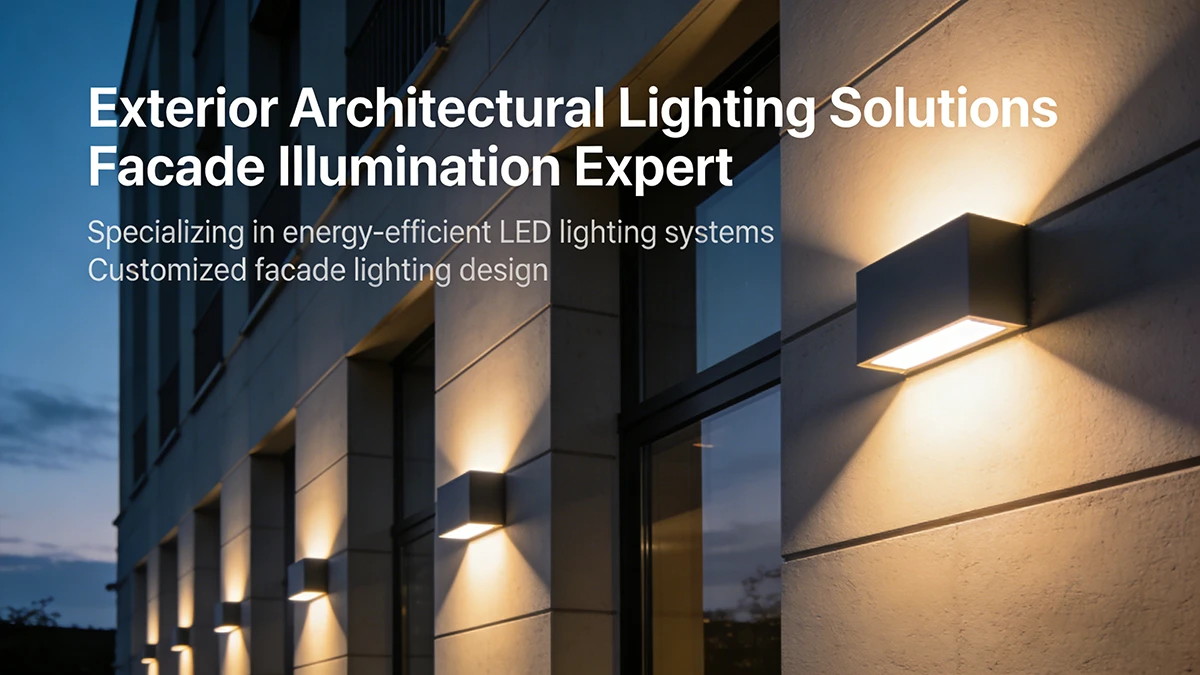
The true essence of professional architectural lighting works lies in the delicate balance between visibility and invisibility. High-end lighting design is characterized by its ability to highlight a building’s structural "bones"—its columns, eaves, and unique textures—while cleverly concealing the physical light source. In the world of premium construction, the ultimate goal is for the observer to experience the ethereal effect of the illumination without ever being distracted by the fixture itself.
In contemporary architectural lighting works, three primary techniques have become the industry standard for creating depth and drama:
Contouring: This involves using high-flexibility LED neon strips to trace the organic or geometric edges of a building. This technique defines the skyline profile and is a staple in architectural lighting design for modern skyscrapers.
Grazing: By placing architectural lighting fixtures extremely close to a vertical surface, light "grazes" the facade to accentuate rich textures, such as natural stone, intricate brickwork, or modern composite panels.
Silhouetting: This dramatic method involves lighting the surface behind a structural element, creating a bold, dark outline that adds layers of mystery and visual interest to the landscape.
However, for these architectural lighting works to remain functional for a 5-to-10-year lifecycle, technical durability is paramount. Since exterior facades are constantly battling the elements, an Ingress Protection (IP) rating is non-negotiable. Leading manufacturers like THINK TEAM KING prioritize IP67 or IP68 ratings, utilizing multi-layer silicone sealing to protect against driving rain, high humidity, and dust infiltration. Without this rigorous engineering, even the most beautiful lighting work would succumb to the environment, leading to costly maintenance and brand devaluations for the property owner.
For procurement specialists and electrical engineers, aligning with established industry benchmarks like mark architectural lighting and ocl architectural lighting is more than a preference—it is a guarantee of project integrity. These names represent a gold standard where rigorous performance meets aesthetic perfection. When a high-tier commercial project specifies mark architectural lighting or ocl architectural lighting quality, the stakeholders are demanding a level of precision that goes beyond standard LED strips.
To meet these elite specifications, architectural lighting fixtures must demonstrate three non-negotiable characteristics:
Seamless Integration: Professional-grade systems allow for fixtures to be "daisy-chained" across vast distances. The engineering must ensure zero voltage drop and, crucially, no visible dark spots at the joints, creating a continuous "line of light" that is essential for modern linear designs.
Advanced Dimming & Control: Compatibility with global protocols such as DALI, 0-10V, and Triac is mandatory. This ensures that the lighting can be integrated into a building’s centralized management system for automated scheduling and energy-saving "smart" profiles.
Superior Material Integrity: Only "A light" architectural lighting components are used. These high-spec materials, such as premium-grade silicone and thickened copper PCBs, ensure that the diffusers do not yellow, crack, or shift in color temperature over a 50,000-hour lifespan.
For savvy wholesalers, the goal is to partner with factories like THINK TEAM KING that can provide OEM versions of these high-standard products. This allows you to offer "architectural grade" quality at factory-direct pricing, providing a significant competitive edge in large-scale bidding processes.
Effective architectural lighting design is far more than a technical requirement; it is a sophisticated bridge between precise engineering and human emotion. To master this craft, one must possess a deep understanding of architectural lighting types, which are strategically layered to transform a flat facade into a three-dimensional masterpiece.
Generally, professional designs are built upon three core pillars:
Ambient Lighting: This serves as the foundational layer, providing the essential, general illumination necessary for safety, security, and basic navigation around the building's perimeter.
Task Lighting: This layer focuses on high-utility areas. In an exterior context, this includes illuminating building entrances, pathways, or corporate signage to ensure functional clarity for visitors and staff.
Accent Lighting: Often referred to as the "jewelry" of the building, accent lighting is used to highlight unique architectural features, such as textures, columns, or art installations, adding character and prestige.
By expertly combining these architectural lighting types, designers create a "visual hierarchy." This structured approach guides the observer's eye to the most important structural elements, effectively enhancing the building's nighttime identity and commercial value. Utilizing high-quality architectural lighting fixtures from a trusted manufacturer like THINK TEAM KING ensures that this design intent is maintained through consistent color temperatures and reliable performance.
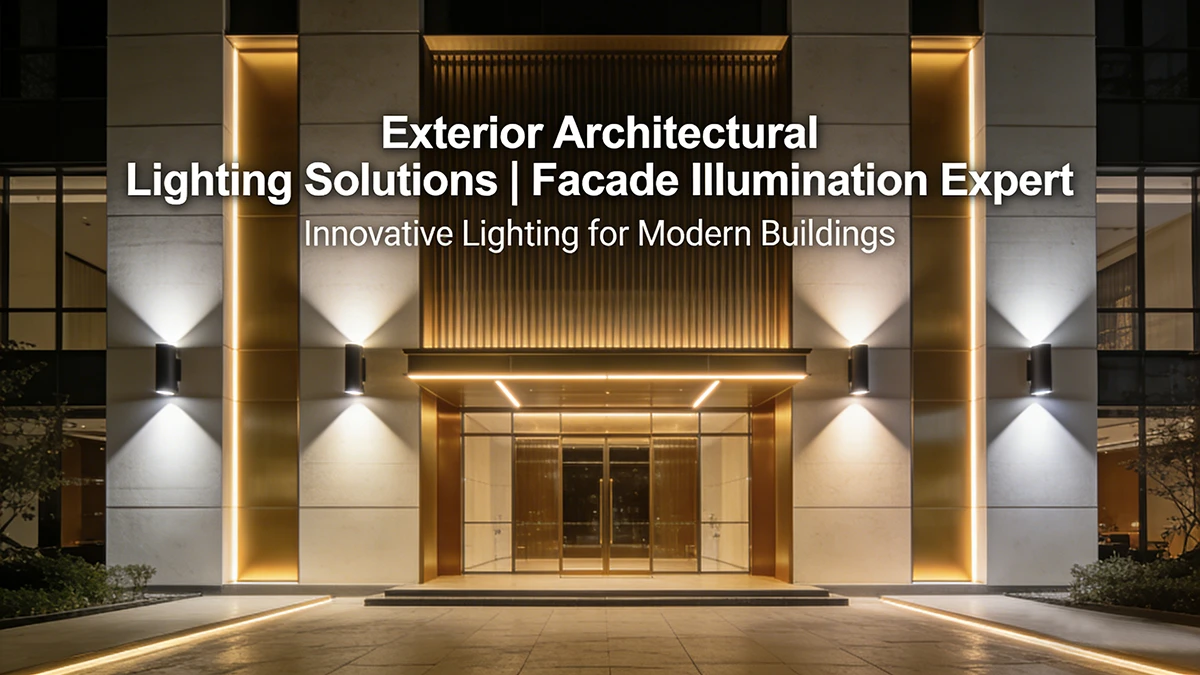
While our focus is exterior, the versatility of modern architectural lighting fixtures allows for cross-application.
Architects often use the same high-durability neon strips for neon lighting for restaurant interiors. The silicone finish provides a high-end, matte look that diffuses light perfectly, avoiding the "dotty" look of cheap LED strips. It’s a favorite for creating custom-shaped "neon signs" that are safe to touch and energy-efficient.
For unique projects, off-the-shelf products often fall short. This is where for architectural lighting customization becomes crucial. Whether it’s a specific color temperature (like a warm 2200K for historical buildings) or a specific length to fit a window frame, working with a factory that offers ODM services is a major advantage for B2B distributors.
In professional terms, light is an invisible building material. It defines space, creates mood, and ensures functionality. At THINK TEAM KING, we believe that light should be integrated into the architecture during the design phase, not added as an afterthought. Our products are designed to be slim and flexible to fit into the smallest coves and crevices.
Start with the "Darkness First" principle. Identify which areas should not be lit to create contrast. Then, select your architectural lighting fixtures based on the environmental conditions (Outdoor vs. Indoor). For beginners, we recommend starting with high-quality silicone neon flex due to its ease of installation and versatile 3D bending capabilities.
Architectural lighting focuses on enhancing the structure and is often permanent and integrated. Decorative lighting (like chandeliers) is a stylistic accessory. THINK TEAM KING specializes in architectural solutions that provide the performance of industrial lighting with the aesthetic elegance required by top-tier designers.
As a premier silicone neon flex factory, THINK TEAM KING provides the high-brightness, commercial-grade solutions needed for global B2B projects. With 10+ years of industry experience and certifications including CE and RoHS, we support wholesalers and architects with:
Production Strength: 300,000 meters per month capacity.
Quality Assurance: 3pcs SMT machines and advanced extrusion lines.
Global Reach: Trusted by major brands like Disney, Microsoft, and Sephora.
【Contact us to get a free quote】
Related Articles
Ultra-Flexible & Bendable LED Neon: A Guide to Creative Lighting Design

It provides all-round service for customers
and users 24 hours a day.
Enter your email for exclusive offers
and information on new upcoming products.


